


Grades 8–9
Aiming for grades 8–9?
We raise the challenge. Harder questions. Unfamiliar problems. Deeper reasoning. Less hand-holding.

Your child doesn't need another tutor working through random topics. They need a clear, personalised route to their target GCSE Statistics grade, built around their level, gaps and exam board.
GCSE Statistics


See what’s holding their Statistics grade back before paying anything.
Experience the tutor and teaching approach before you commit.
Find the topics, skills and exam mistakes costing them marks.
Get a clear breakdown of their strengths, gaps and priorities.
Try the tutor. Review the feedback with your Student Success Manager. Then decide.
It's the most common thing parents tell us, and it's almost never about effort. Usually, it's one of these
Vague interpretations, missing units, calculator slips and poor time management cost marks they could have earned.
They can calculate the answer, but lose marks when they have to choose the right technique, interpret the result in context or justify a conclusion.
Gaps in core Maths skills like fractions, percentages and rearranging formulae make probability and statistical calculations harder than they should be.
More tutoring hours won't solve the problem if you're working on the wrong things. That's why we start by finding out exactly what's holding your child back.
At Edmento, lessons start from £15 an hour. Across the UK, the cost of a GCSE Statistics tutor depends on the tutor's experience, the level being taught, how much exam preparation is involved and what support comes with the lessons.
1-to-1 lessons cost more than group tuition, but every minute goes on your child's gaps. You won't be asked to buy a large block of lessons before you know the tutor is right: start with the free consultation and a trial.
Fresh. Fierce. Focused.
£15–25
/hour
Sharp. Strategic. Relentless.
£30–40
/hour
Elite. Proven. Unshakable
£40–80
/hour
Fresh. Fierce. Focused.
£15–25
/hour
Sharp. Strategic. Relentless.
£30–40
/hour
Elite. Proven. Unshakable
£40–80
/hour
While other tutors guess, we diagnose. While they teach, we measure. That's why our grades move fast.
Find exactly where and why they’re losing marks.
Focus lessons on the gaps with the biggest impact on their grade.
We test, track and adjust until progress shows in exam performance.
No random tutoring. No guessing. Just a clear plan.
Tell us your child’s current GCSE Statistics grade, target grade, exam board and key struggles so we can recommend the right support.
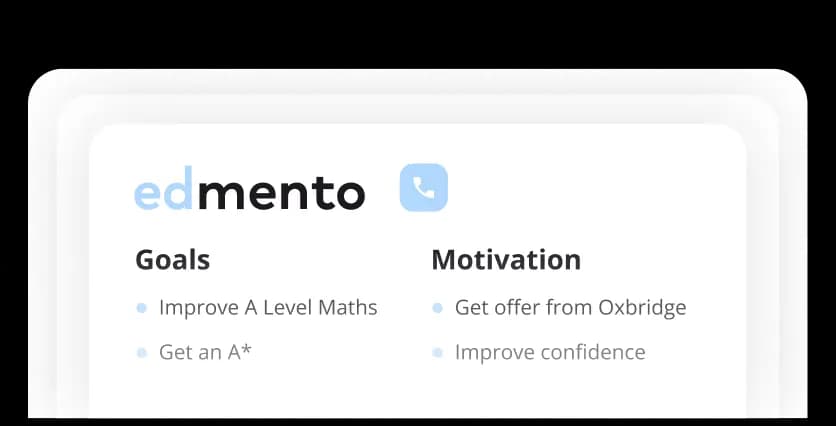
Your child meets a matched GCSE Statistics tutor who assesses their level, identifies gaps and starts tackling the gaps holding them back.
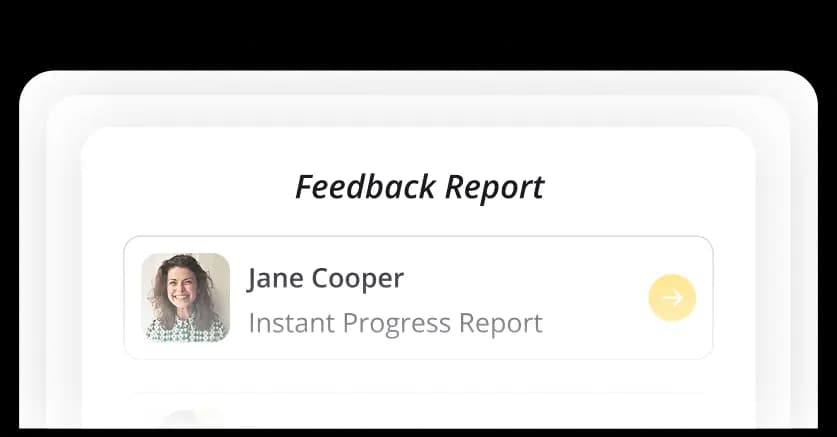
Get clear feedback on knowledge gaps, method, problem solving and lost marks, with a focused plan to improve their GCSE Statistics grade.
A learner at level 3 and a learner at level 8 require completely different tutoring strategies.
We target that to make their next grade jump.
Grades 8–9
We raise the challenge. Harder questions. Unfamiliar problems. Deeper reasoning. Less hand-holding.
Grades 6–7
We focus increasingly on application, multi-step problems, exam technique and eliminating avoidable lost marks.
Grades 4–5
We strengthen foundations, close critical gaps and build confidence with the GCSE questions your child needs to secure.
Grades 1–3: below a pass
That's below a pass, and it's where the plan matters most. We rebuild the foundations first, close the biggest gaps and build steadily towards a secure grade 4.
Let’s find what’s standing between them and the top marks
Yes, because every lesson can focus on the exact areas costing your child marks, rather than following the pace and needs of a whole class.
Spend more time on the Statistics they struggle with and less on what they already know.
Whether they’re working at Grade 3 or Grade 8, teaching starts from where they are now.
Apply each topic to the data-handling and interpretation questions they’ll actually face in the exam.
Spot where their calculation, diagram or interpretation went wrong before the same mistake happens again.
Your child can ask questions, revisit difficult steps and get explanations until they understand.
Lessons focus on the skills and marks needed to move towards their target GCSE Statistics grade.
Yes. Online GCSE Statistics tutoring can be as effective as face-to-face when lessons are interactive. Tutor and student work on a shared digital whiteboard, so every calculation, diagram and interpretation is visible, and past-paper questions are worked through step by step together.
At Edmento, lessons start from £15 an hour. Across the UK, GCSE Statistics tutoring costs vary with the tutor's experience, the level and how much exam preparation and support is included. We start with a free consultation and a trial lesson, with no large upfront package, so you can judge the value before committing.
It usually is when lessons target the specific reasons your child is losing marks. General revision rarely moves a grade on its own; a tutor who diagnoses gaps, sets focused practice and gives feedback on your child's own work can. The trial lesson lets you judge before committing.
As soon as you notice something slipping: a falling grade, a disappointing mock or confidence dropping. Year 10 gives the most room to fix gaps properly, but Year 11 students still make real progress with focused lessons, especially early in the year.
Once a week suits most students: enough to close gaps steadily and keep momentum. Some move to twice a week in the months before mocks or the summer exams. We'll suggest a frequency based on your child's starting point, target and time available.
It can, though no honest tutor guarantees a result. Progress comes from fixing the specific gaps and technique problems that cost marks, practising regularly and getting feedback. We track progress and share updates, so you can see whether it's working.
GCSE Statistics is a separate qualification that goes far deeper into data: how it's collected, displayed, analysed and interpreted. There's much less algebra and geometry, and many more marks for explaining what results mean in context. Many students take it alongside GCSE Maths, and each supports the other.
Usually because it mixes calculation with interpretation. Students can often work out an answer, but lose marks choosing the right diagram or measure, or writing a comment that refers back to the data.
By practising short, precise written answers that refer back to the question. Examiners reward specific comments about the data, not general statements, and this improves quickly with guided practice.
For many students, yes. It strengthens data-handling and probability skills that appear in Maths, Science, Geography and Psychology. A tutor can help your child judge whether it suits their workload and goals.
We support AQA and Edexcel GCSE Statistics. We ask about your child's exam board during the free assessment and match them with a tutor who knows that specification, its papers and its mark schemes.
Lessons happen live, 1-to-1, over video. Tutor and student work on a shared digital whiteboard, so every calculation, diagram and interpretation is visible, and past-paper questions are worked through step by step together. Your child needs a laptop or tablet, a calculator and a quiet space; many families find it easier than travelling to lessons.
We match on subject, level, exam board, your child's needs and their personality. After the free assessment we suggest a tutor, and your child has a trial lesson so you can both judge the fit before committing.
Yes. You can receive lesson feedback and progress updates, and your Student Success Manager is available whenever you have a question or concern.
Tell your Student Success Manager and we'll find a better match. It happens occasionally, and it's easy to fix.